
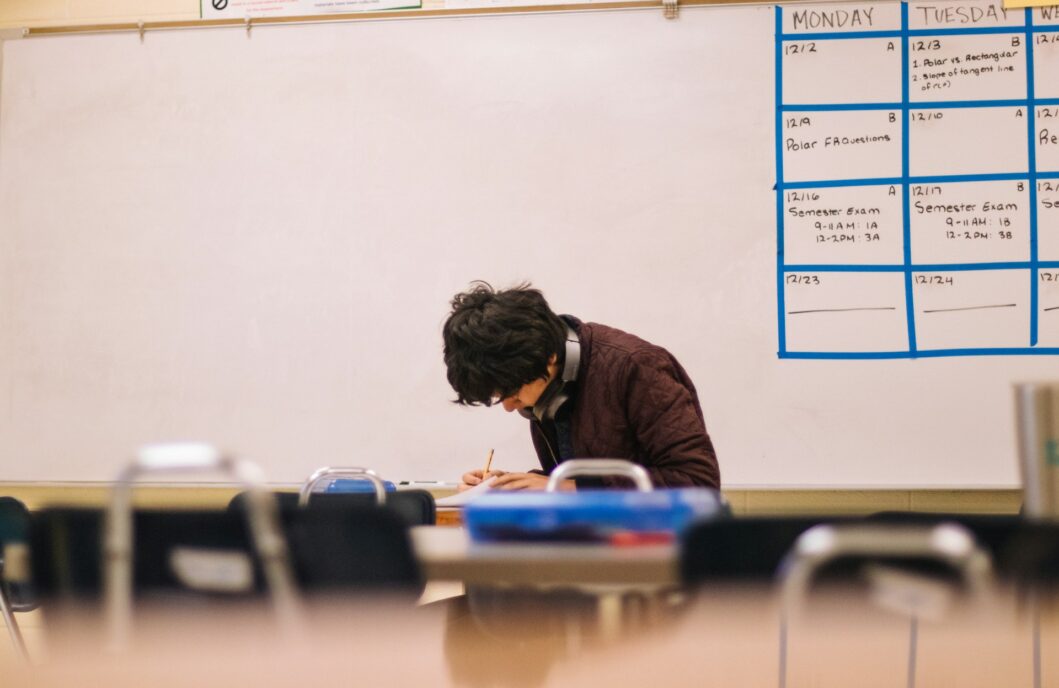
Student success is not solely determined by academic performance; it also depends on emotional well-being, resilience, and interpersonal skills. Integrating academic guidance with emotional support creates a holistic approach that empowers students to thrive both in and out of the classroom. Schools that adopt this approach can better prepare students for long-term personal and professional success.
The Importance of Academic Guidance
Academic guidance provides students with the structure, resources, and strategies needed to achieve their educational goals. This includes assistance with course selection, study skills, time management, and goal setting. By helping students plan their academic paths and monitor progress, educators ensure that students remain on track and develop a sense of accountability and ownership over their learning.
Additionally, academic guidance helps identify students who may be struggling in specific subjects or skill areas. Early intervention allows teachers and counselors to provide tailored support, such as tutoring or enrichment programs, ensuring that all students have the opportunity to succeed.
Supporting Emotional and Social Well-Being
Emotional support is equally essential to student success. Students often face stress, anxiety, and social challenges that can impact both learning and overall development. School counselors and mentors provide a safe environment for students to express their concerns and develop coping strategies. Through guidance and counseling, students can build resilience, improve self-awareness, and strengthen interpersonal skills.
Emotional support also helps students navigate transitions, such as moving from middle school to high school or preparing for college. By addressing social and emotional needs alongside academics, schools foster a balanced and positive learning environment.
The Power of Integration
Integrating academic guidance with emotional support allows for a more comprehensive approach to student development. Educators and counselors can collaborate to address both the cognitive and emotional aspects of learning. For example, a student struggling with test anxiety may benefit from academic strategies such as study plans, combined with emotional coaching to manage stress and build confidence.
This integrated approach ensures that students are not only academically competent but also emotionally resilient, adaptable, and motivated to pursue their goals.
Preparing Students for the Future
By combining academic guidance with emotional support, schools equip students with the tools they need for success in higher education, careers, and life. Students learn to set realistic goals, overcome challenges, and maintain a healthy balance between achievement and well-being.
Conclusion
Holistic education that integrates academic guidance with emotional support is essential for preparing students for long-term success. By addressing both intellectual and emotional needs, educators can foster confident, capable, and resilient learners who are ready to thrive in every aspect of life.
About the Author
