
Understanding Resilience in Education
Resilience is the ability to adapt, recover, and grow stronger in the face of challenges, setbacks, and adversity. In academic environments, resilience plays a crucial role in helping students navigate pressures such as exams, social dynamics, and personal struggles. Rather than avoiding difficulties, resilient students learn how to manage them effectively. For educators and counselors, fostering resilience is not just about improving academic outcomes—it is about equipping students with lifelong skills that support emotional strength and personal growth.
Creating a Supportive and Safe Environment
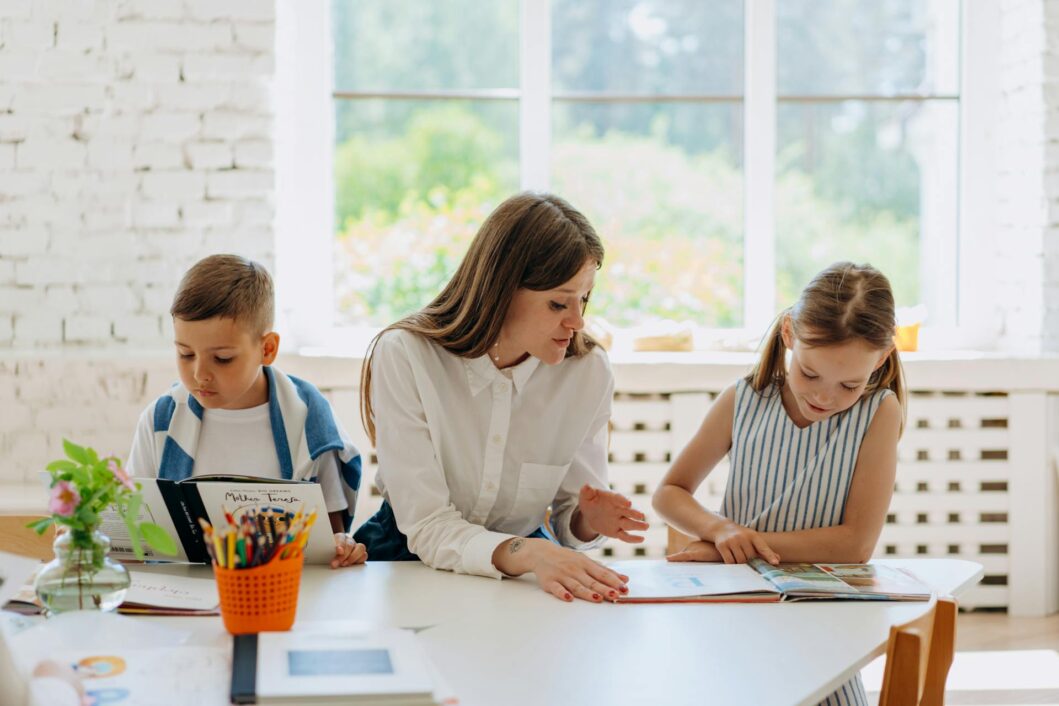
The foundation of resilience begins with a safe and supportive learning environment. Students are more likely to take risks and face challenges when they feel secure and valued. Teachers and counselors can build this environment by encouraging open communication, showing empathy, and maintaining a non-judgmental attitude. Simple practices such as regular check-ins, positive reinforcement, and active listening help students feel understood and supported, which strengthens their confidence in handling difficulties.
Teaching Coping and Problem-Solving Skills
One of the most effective ways to build resilience is by teaching students practical coping strategies. These may include stress management techniques such as deep breathing, mindfulness, and time management. Equally important is helping students develop problem-solving skills. By guiding them to break challenges into manageable steps, evaluate possible solutions, and reflect on outcomes, educators empower students to approach obstacles with confidence rather than fear.
Encouraging a Growth Mindset
A growth mindset is essential for resilience. Students who believe that abilities can be developed through effort and persistence are more likely to embrace challenges and learn from failure. Teachers can promote this mindset by praising effort rather than results, normalizing mistakes as part of the learning process, and encouraging perseverance. When students understand that setbacks are opportunities for growth, they become more resilient and motivated to keep improving.
Strengthening Collaboration and Support Systems
Resilience is not built in isolation. Strong relationships with teachers, counselors, peers, and family members provide students with a network of support. Collaboration between educators and counselors ensures that students receive both academic and emotional guidance. Schools can also involve parents by sharing strategies and resources that reinforce resilience at home. A connected support system helps students feel less alone when facing challenges and more capable of overcoming them.
Conclusion
Building resilience in students is a shared responsibility that requires intentional effort from both teachers and counselors. By creating supportive environments, teaching coping skills, encouraging a growth mindset, and fostering strong support systems, educators can help students develop the strength and confidence needed to navigate life’s challenges. Ultimately, resilient students are not only better learners but also more prepared to succeed beyond the classroom.
About the Author
