
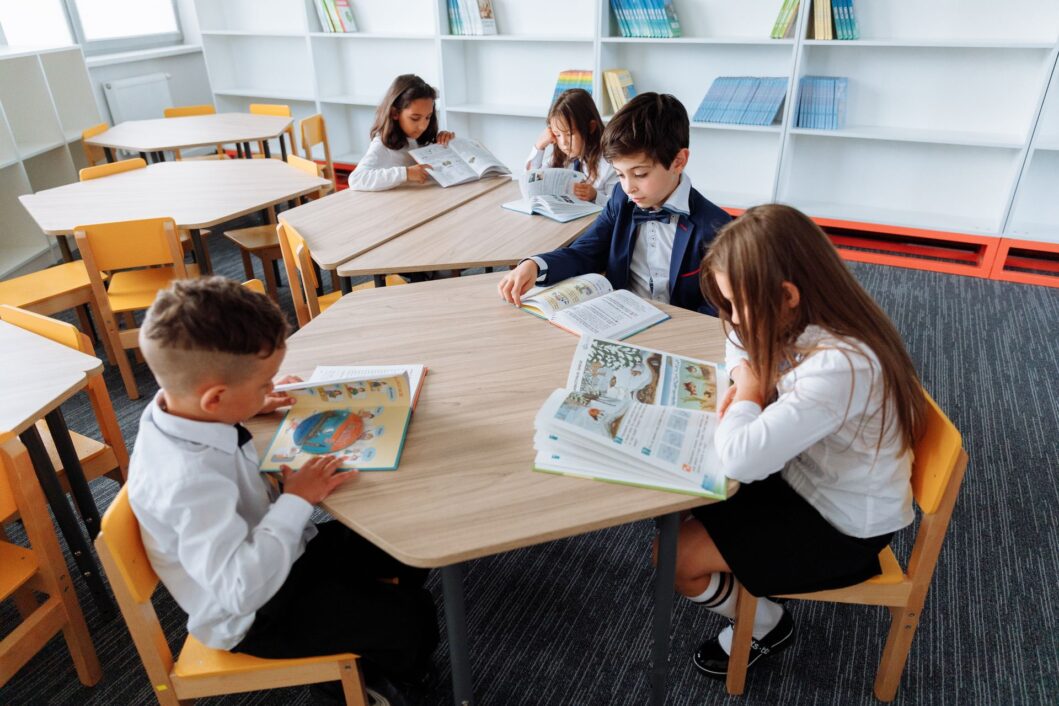
Resilience is one of the most important life skills students can develop, as it enables them to adapt, recover, and thrive in the face of academic, emotional, and social challenges. In today’s educational environment, classroom guidance and mentorship play a critical role in helping students build this essential quality. Through structured support and meaningful relationships, educators can guide students toward greater confidence, persistence, and emotional strength.
Creating a Supportive and Structured Classroom Environment
A resilient mindset begins with a stable and supportive learning environment. When students feel safe, respected, and encouraged, they are more willing to take risks and learn from their mistakes.
Teachers contribute to this environment by setting clear expectations, maintaining consistent routines, and fostering positive behavior. A structured classroom helps students understand boundaries while also giving them the confidence to explore new ideas without fear of failure. Over time, this balance of structure and support strengthens emotional stability.
Encouraging Problem-Solving and Critical Thinking
Resilience grows when students are given opportunities to face challenges and solve problems independently. Classroom guidance that encourages critical thinking helps students learn how to approach difficulties logically rather than emotionally.
Teachers can support this development by using interactive learning methods, open-ended questions, and real-world scenarios. When students are guided to find solutions on their own, they develop confidence in their abilities and learn that setbacks are part of the learning process rather than final failures.
The Role of Mentorship in Student Growth
Mentorship is a powerful tool in building resilience, as it provides students with consistent guidance and emotional support. A mentor—whether a teacher, counselor, or experienced peer—can offer advice, encouragement, and perspective during difficult times.
Through mentorship, students gain access to role models who demonstrate how to handle challenges effectively. These relationships often help students stay motivated, especially when they feel discouraged or overwhelmed.
Developing Emotional Awareness and Coping Skills
Guidance in the classroom also helps students develop emotional awareness, which is essential for resilience. When students understand their emotions, they are better equipped to manage stress and respond to challenges in healthy ways.
Teachers can introduce activities such as reflection exercises, group discussions, and journaling to help students process their experiences. These practices encourage self-awareness and teach coping strategies that can be used both inside and outside the classroom.
Building Long-Term Confidence and Independence
Ultimately, resilience is about preparing students for life beyond school. Through consistent guidance and mentorship, educators help students build confidence in their abilities and develop the independence needed to face future challenges.
By fostering resilience, schools empower students not only to succeed academically but also to navigate life’s uncertainties with strength, adaptability, and determination.
About the Author
